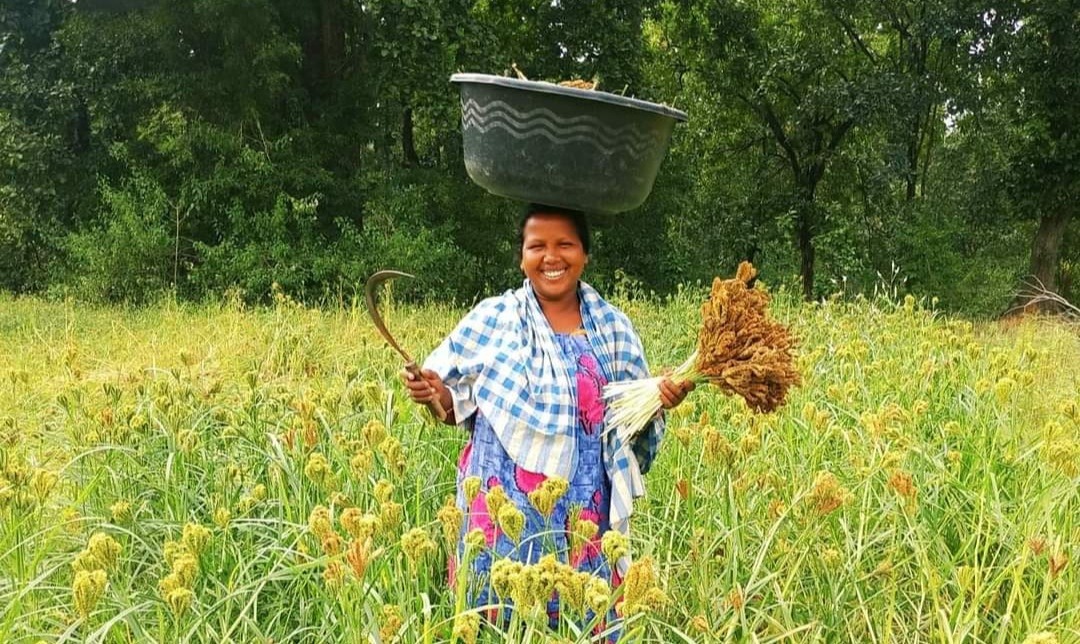
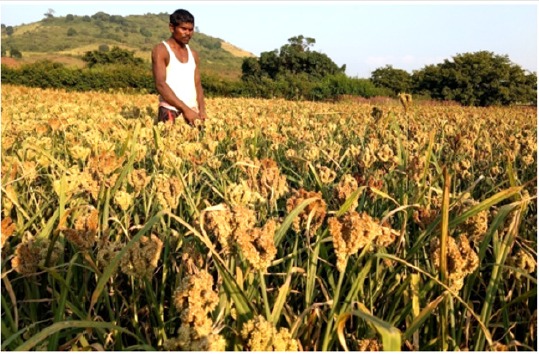
Millet is a group of small-seeded grains that includes various types such as finger millet (ragi), pearl millet (bajra), sorghum (jowar), foxtail millet, and others. Millets have been consumed as staple foods in many parts of the world for thousands of years, and they offer several health benefits. Here are some of the key benefits of millets: Nutrient-Rich: Millets are rich in essential nutrients, including carbohydrates, proteins, dietary fiber, vitamins (such as B vitamins), and minerals (such as iron, magnesium, phosphorus, and potassium). They are particularly high in calcium and iron, making them beneficial for bone health and preventing anemia. Gluten-Free: Millets are naturally gluten-free, making them an excellent alternative grain for individuals with gluten sensitivity or celiac disease. Low Glycemic Index: Millets have a low glycemic index, which means they cause a slower and more gradual increase in blood sugar levels. This property can be beneficial for managing diabetes and preventing sudden spikes in blood sugar. High in Fiber: Millets are a good source of dietary fiber, which promotes digestive health, helps in maintaining a healthy weight, and may reduce the risk of certain gastrointestinal disorders. Cardiovascular Health: The presence of fiber, antioxidants, and certain nutrients in millets may contribute to improved heart health by reducing cholesterol levels and supporting healthy blood pressure. Weight Management: Due to their high fiber content and slower digestion rate, millets can help in controlling appetite and promoting a feeling of fullness, potentially aiding in weight management. Antioxidant Properties: Millets contain antioxidants that help neutralize harmful free radicals in the body, reducing oxidative stress and potentially lowering the risk of chronic diseases. Sustainable Agriculture: Millets are hardy crops that require minimal water and can grow in diverse agro-climatic conditions, making them environmentally sustainable and suitable for rainfed agriculture. Versatility in Cooking: Millets can be used in a variety of dishes, including porridges, bread, dosa, upma, salads, and even desserts, providing culinary diversity and adding nutritional value to meals. Promotion of Biodiversity: Encouraging the cultivation and consumption of millets can promote agricultural biodiversity and support the conservation of traditional crop varieties. As awareness of the nutritional benefits of millets grows, there has been a resurgence of interest in these ancient grains as part of a healthy and sustainable diet. Including millets in one's diet can contribute to overall health and well-being while also supporting environmentally friendly and resilient agricultural practices.